
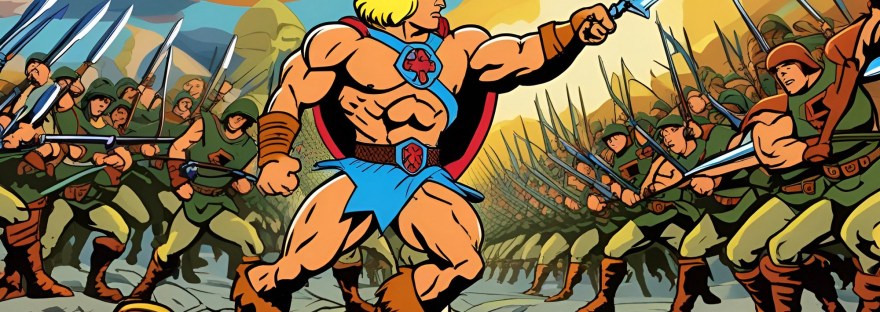
One phrase often pops up in wisdom and motivational quotes: “Hard times create strong men, strong men create good times, good times create weak men, and weak men create hard times.” This quote is attributed to G. Michael Hopf’s book, Those Who Remain, and is often quoted as a social or political statement on social media platforms. At first glance, it might seem like a profound insight into the cycle of life, but let’s take a closer look.
This concept suggests that tough times breed resilient individuals who, in turn, create prosperous periods. However, it also implies that people become complacent and weaker during these prosperous times, leading to a downfall and the return of hard times. Sounds straightforward, right? But is it really that simple?
First off, let’s address the idea of “strong men.” Strength comes in many forms: physical but also mental, emotional, and social. Assuming that only tough times cultivate strength overlooks the countless individuals who exhibit strength during good times, too. Moreover, defining strength solely through adversity undermines the strength required to navigate periods of ease and success.
Furthermore, labelling periods of prosperity as breeding grounds for weakness is overly simplistic. Good times can foster innovation, creativity, and progress. It’s during these periods of stability and abundance that societies often make significant advancements in technology, science, and culture. To dismiss such periods as inherently weakening overlooks the positive contributions they bring.
Additionally, the concept implies a deterministic view of history, suggesting that societal cycles are inevitable and unchangeable. However, history is complex and influenced by many factors, including politics, economics, culture, and technology. While there may be patterns or trends, they are not predetermined, and individuals and societies have agency to shape their own destinies.
Moreover, the notion of “weak men” perpetuates harmful stereotypes and overlooks the diversity of human experiences and capabilities. Strength and resilience are not exclusive traits of one gender or group. Both men and women and people of all backgrounds can demonstrate resilience and fortitude in the face of challenges.
Too often, this quote is misused to justify poor attitudes and behaviours from specific individuals who ground their personas in toxic traits. Internet bullying, slandering political or religious affiliations – you name it. You wanted hard times and weak men? Showing this type of strength is an excellent way to go about it.
Ultimately, reducing the complexities of human history and society to a simple cycle overlooks the nuances and intricacies of human experience. While it’s true that challenges can foster growth and resilience, it’s equally important to recognize the strengths and opportunities that arise during times of prosperity. Rather than resigning ourselves to a deterministic view of history, we should strive to create a future where individuals are empowered to thrive regardless of their circumstances.
So if we’re going to start with men, then let’s have that chat.
GOOD men create good times.
Period.
In fact, good PEOPLE create good times. That’s up to all of us. Worry less about being classically “strong.” There are many ways to show strength.
Quoting books you don’t fully understand is not one of them.

 The CJBuzz